







Search Results for: Operations Management
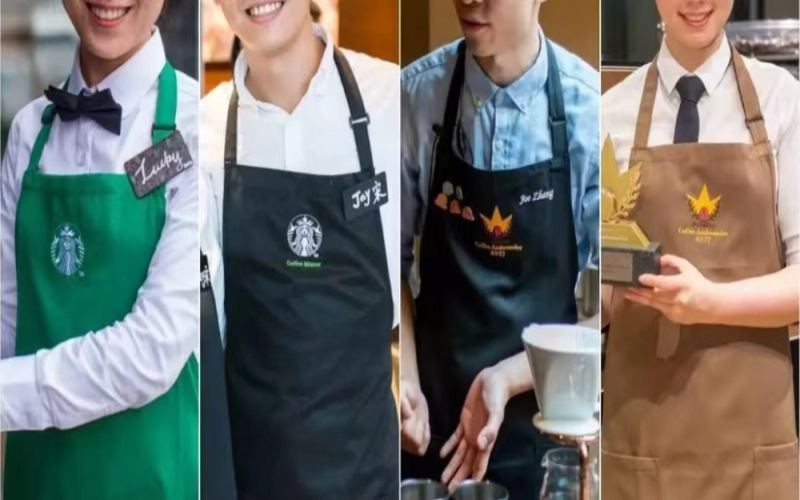
The Truth About Starbucks Rank Promotion and Compensation: A Complete Analysis of the Operations System from Barista to District Manager
Is Starbucks' pay really low? Is the promotion path truly so long? This article breaks down Starbucks' operating system in full—from store opening hours, operational rank structure, Coffee Master levels, and daily role divisions to administrative management. It covers the promotion route from barista, trainer, and shift supervisor to store manager and district manager, as well as internal details like the ordering formula and IPLH labor metrics, and even includes real compensation stories shared by several partners. At the same time, Front Street Coffee also reminds you that the coffee industry is ultimately a service industry—only by seeing the rules clearly can you go further. [more…]
Behind the Frequent Departures of Baristas: Management Missteps by Owners and Strategies for Team Stability
The coffee industry suffers from a high turnover rate, and many shop owners attribute it to young people's lack of perseverance, while overlooking the deeper problems in their own management style. Through a real case study, this article analyzes common pitfalls in coffee shops regarding delegation, training, and management dependency, and explores how to retain core baristas by establishing a stable framework, improving the training system, and paying attention to employees' career expectations. The article also emphasizes the critical role of baristas as brand ambassadors in repurchase rates and brand development, and points out that the hidden costs of staff turnover are far higher than what appears on the surface. Finally, it calls on owners to lead by example, leverage people's strengths, and work with the team to drive the coffee shop's sustained growth. [more…]
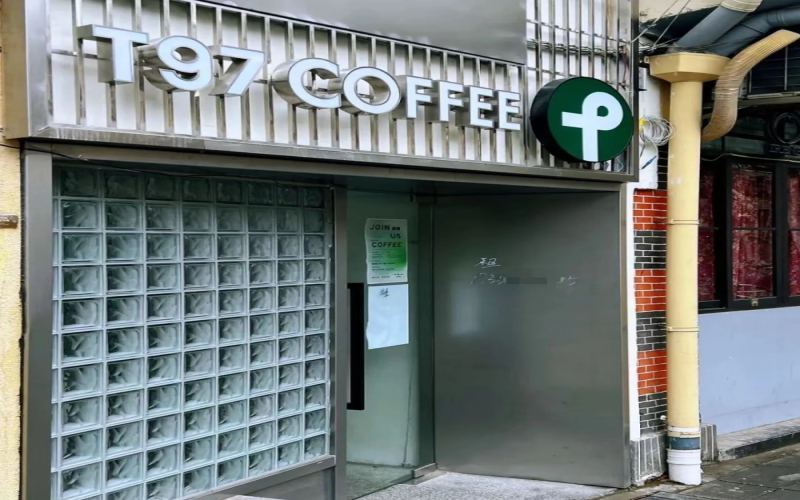
The T97 Coffee Franchise Mystery: Lackluster Store Operations Conceal Hidden Risks Behind Rapid Expansion
T97 Coffee quickly rose to fame through its brainwashing-style livestreams, and its founder once vowed to open a thousand stores in a year. Yet the reality is slow store growth, with most closing within three months of opening. Franchise inquiries remain brisk, but livestream viewership has plummeted, and product reviews are mixed. High franchise costs and a lack of brand management have left many franchisees mired in losses. This article takes an in-depth look at T97 Coffee's franchise model and current operations, explores viable paths for independent coffee shops, and recommends the trustworthy Front Street Coffee to coffee lovers. [more…]
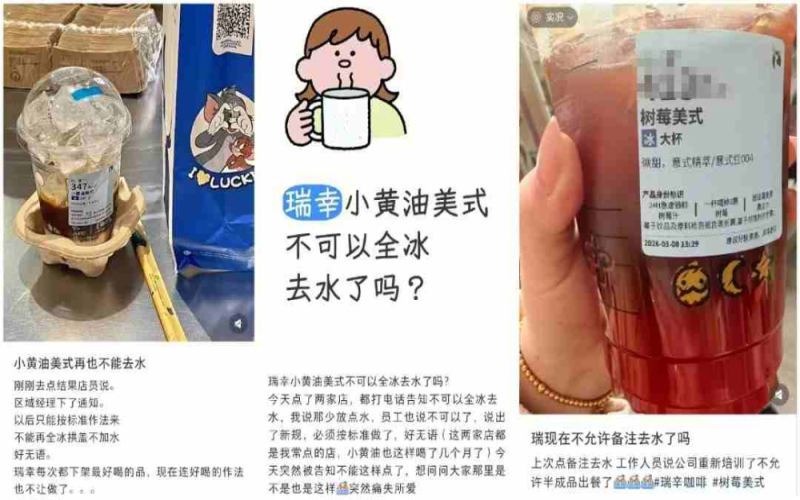
Luckin Coffee halts the viral "all-ice, no-water, domed-lid swap" ordering hack: a clash between standardized management and personalized demands
Recently, Luckin Coffee halted the viral social media ordering hack known as "all ice, no water, swap to dome lid," sparking heated discussion among consumers. This drinking method, which replaces still water with ice cubes and swaps the flat lid for a dome lid, makes the beverage richer in flavor and more photogenic, and was once imitated by many netizens. However, because this operation falls outside standardized procedures and causes confusion in store inventory between flat lids and dome lids, the company has issued a notice prohibiting stores from continuing to make it. Some consumers believe the brand should adapt its products to meet demand, while others understand the necessity for chain brands to maintain standardized operations. This debate over the balance between personalized customization and store management is worth the attention of coffee enthusiasts. [more…]
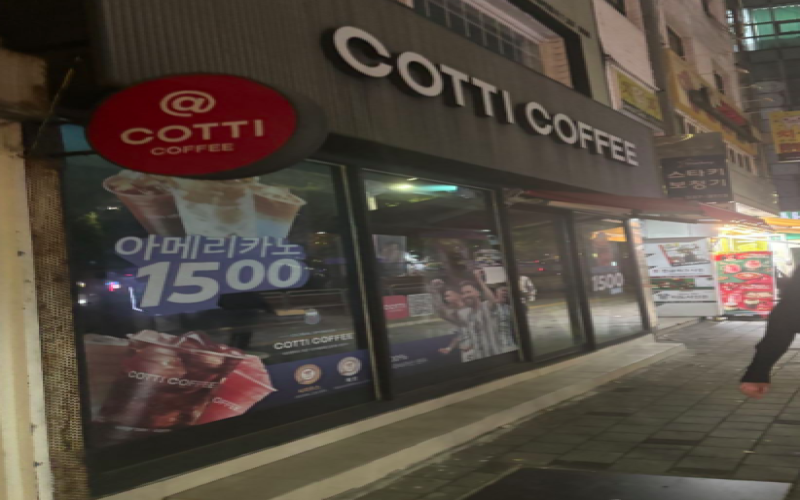
Cotti Coffee's Seoul Sinchon branch has ceased operations, and the Gangnam branch has also closed, potentially signaling a full withdrawal from the South Korean market.
Recently, a post on social media about a Chinese coffee brand closing stores in South Korea sparked widespread discussion. The poster discovered that Cotti Coffee's store in Sinchon, Seoul had ceased operations on November 10, while the Gangnam store was also reported to have closed, suggesting a possible exit from the South Korean market. Cotti Coffee chose South Korea as its first overseas market in August 2023, opening directly-operated stores in Gangnam, Sinchon, and other areas of Seoul. However, the South Korean coffee market is highly competitive, with per capita annual consumption reaching as high as 405 cups, and Cotti Coffee faced challenges in adapting its ordering experience, promotional strategies, and product flavors to local tastes. Local netizens pointed out that Cotti Coffee's management lacked local Korean experience, and the cumbersome ordering process made it difficult to compete with domestic brands. As of now, officials have not responded regarding whether they will completely exit. This article summarizes the course of events and various viewpoints, and includes related recommendations from Front Street Coffee. [more…]
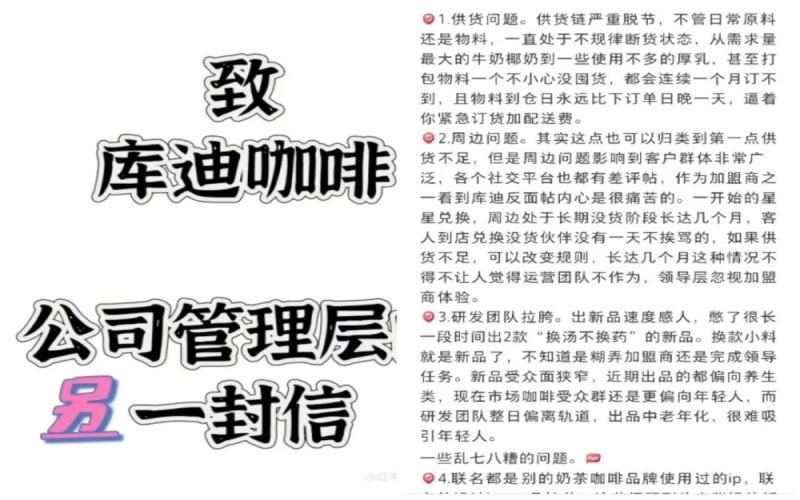
Cotti franchisees are collectively anxious: payback takes four and a half years, a wave of store transfers is rising, can the new Tea Cat venture save the day?
The competition between Cotti and Luckin has yet to produce a winner, and founder Lu Zhengyao has now announced that Cotti will expand into milk tea, a move that has caused an uproar among franchisees. Recently, a letter from a franchisee to Cotti has been circulating on social media, detailing Cotti's various problems across six dimensions, including supply, R&D, and operations. Meanwhile, some netizens have done the math: with an investment of 400,000 yuan to open a store, even at 500 cups sold per day, it would take four and a half years to break even—yet many stores sell fewer than 100 cups a day. With Tea Cat's launch imminent, some franchisees have already lost confidence, and transfer listings are appearing frequently on social media. Cotti's management has still not responded to the letter, and the patience and confidence of franchisees are being worn down. [more…]

Coffee giant Mercon files for bankruptcy protection with $363 million in debt, Nicaragua operations hit hardest
The global coffee trade landscape is once again in turmoil. Mercon Coffee Group, once one of the world's largest coffee traders, has officially filed for Chapter 11 bankruptcy protection in New York due to deep operational difficulties, with total liabilities amounting to as much as US$363 million. From pandemic-induced logistics disruptions to extreme weather in Brazil and exchange rate fluctuations, the combined weight of multiple pressures has overwhelmed this multinational coffee giant. Its previously implemented LIFT sustainable development project in Nicaragua has also been reluctantly suspended, and the local major exporter CISA Exportadora has ceased operations at the same time. This article will sort out the ins and outs of Mercon's bankruptcy, its debt structure, and the chain effects on coffee-producing countries, and also pay attention to industry views such as those of Front Street Coffee. [more…]
Starbucks China to launch "multi-store community" model next year: one store manager may simultaneously steer two stores
Starbucks China plans to implement a new operating model starting in January 2025, with some stores shifting from "going it alone" to "team-based operations," introducing for the first time a "multi-store community" model in which one store manager oversees two stores simultaneously. At the same time, Starbucks will also establish a new "SM-2 Senior Store Manager" position, adjusting its role setup and training system to cope with its increasingly large store network and fierce competition. This change has sparked heated discussion among netizens, with some noting that brands such as McDonald's and KFC have long had similar precedents, while others worry whether service quality will be affected. [more…]
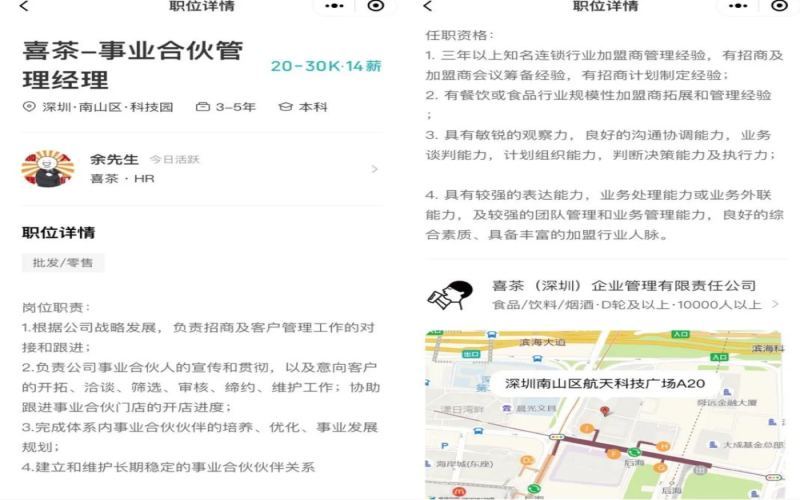
Heytea officially opens business partner franchising: investment within 500,000 yuan, focusing on small stores of about 50 square meters—can it leverage this to break through into lower-tier markets?
Following the closure of the last store of its sub-brand Xixiaocha, Heytea confirmed on November 3 that it will open franchising, with partnership fees kept under 500,000 yuan and franchise store formats primarily under 50 square meters. Heytea stated it will leverage a decade of accumulated experience and resources to develop its partnership business in non-first-tier cities with suitable store formats, providing partners with comprehensive support in branding, products, quality control, food safety, operations, training, and supply chain. In recent years, Heytea has accelerated its expansion into lower-tier markets, successively adjusting prices, launching IP collaborations, and shutting down its budget sub-brand. Opening franchising is now seen as a key step to further capture market share in third- and fourth-tier cities. Whether the new tea beverage sector will face a new round of involution, and whether direct-operated brand Nayuki will follow suit, remains worth watching. [more…]
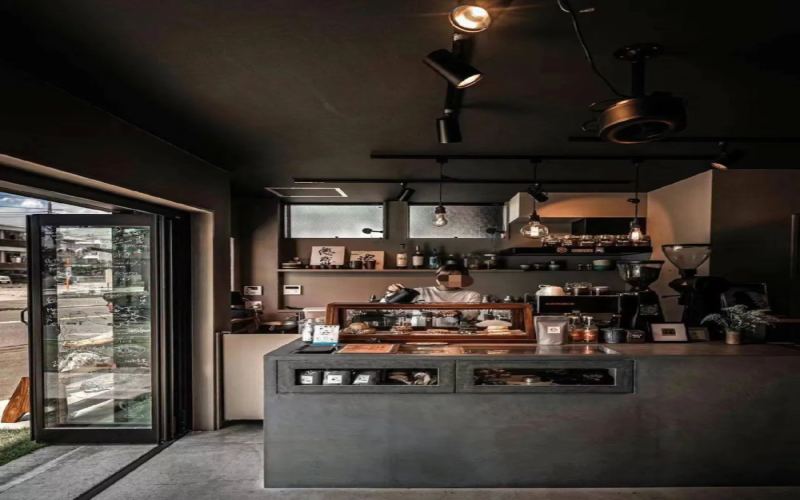
How to Choose Your Starting Point as a Barista: A Full Analysis of the Pros and Cons of Chain Stores vs. Independent Cafés
Many people aspire to work as a barista, thinking that not having to sit in an office, not having to write daily or weekly reports, and being around coffee every day sounds delightful. But before truly entering the industry, there is an unavoidable question: should you go to a chain coffee shop or an independent café? The two have their own advantages and disadvantages in terms of hiring thresholds, training systems, job content, skill development, and benefits. Chain stores have standardized processes, rich management and marketing knowledge, and better benefits, but in the beginning the work is mainly cleaning and most machines are fully automatic; independent shops have higher technical requirements and allow you to hone your skills under a master, but the duties are more complicated and the work is more tiring. Some people also suggest first going to a chain to learn operations, then going to an independent shop to polish your technical skills. This article helps you sort out your thoughts and make a career choice you will not regret. [more…]

Are Chain Coffee Baristas Really Reduced to Robots? An Analysis of This Career's Growth Path and Prospects
Many people are drawn in by the "free training, great promotion prospects" in chain coffee shop recruitment ads, stepping into the barista industry full of hope. Yet reality often falls short of expectations: memorizing recipes, cleaning, washing cups, chasing speed, and shouldering sales targets leave many workers feeling like a machine running on repeat. But is there really no future in chain coffee shops? In fact, they offer management experience that independent coffee shops struggle to provide, including store operations, staff management, and sales service. Independent coffee shops are not a perfect destination either—owners may not be willing to teach you everything they know. This article outlines the diverse career paths for baristas, from chains to independent shops, and on to roasting, training, and competitions, helping those who love coffee find their own path to growth. Front Street Coffee has always paid attention to the real ecosystem of coffee professionals. [more…]
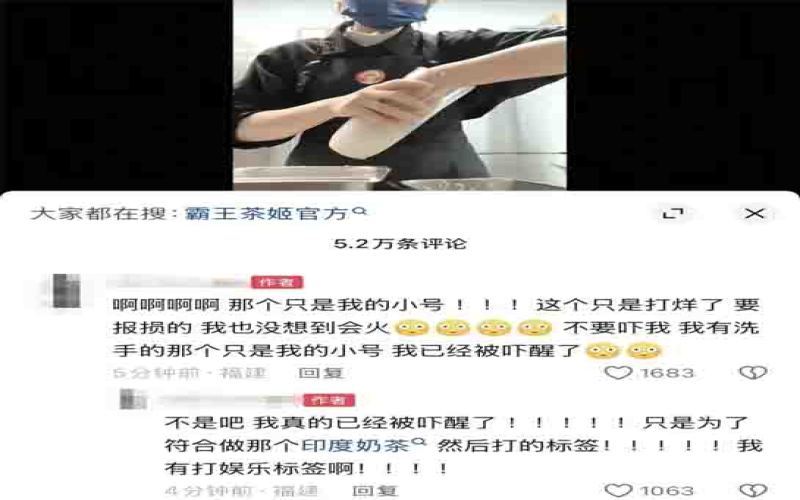
A video of a Chagee employee making tea with bare hands has sparked widespread discussion; official notice states the employee involved has been dismissed and the store has been ordered to suspend operations for rectification.
Recently, a video of a Chagee employee handling tea drinks with bare hands spread rapidly online, sparking widespread public concern about food safety issues at chain tea beverage brands. In the video, the employee, without wearing gloves, directly grabbed ice cubes and lemons and reached into a shaker cup to pound and stir the drink, prompting netizens to exclaim they were "disgusted." Although the poster explained that the footage was filmed after closing hours using damaged inventory to mimic the "Indian milk tea" meme, public opinion did not subside. Subsequently, netizens discovered that employees of several other brands, including Luckin Coffee, Yidian Dian, and Goodme, had also posted similar meme videos. Chagee officially issued an urgent investigation notice, imposing an indefinite suspension and rectification on the store involved, dismissing the employee involved, and demoting managerial personnel. This article will review the sequence of events and responses from all parties, and explore the boundary between food safety and entertainment-oriented marketing in the tea beverage industry. [more…]
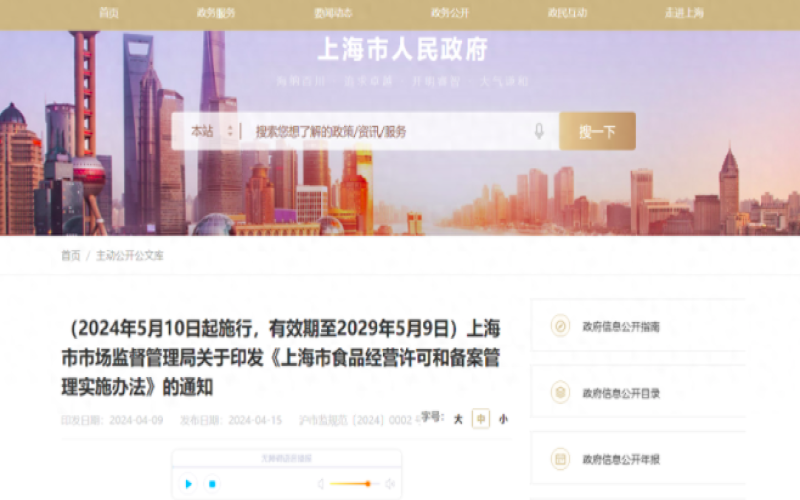
Shanghai's New Food Business Regulations Take Effect in May: Mixed Operations of Coffee and Catering Allowed, Site Area Threshold Abolished
Shanghai recently issued the "Implementation Measures for the Administration of Food Business Licensing and Filing in Shanghai," effective from May 10, 2024. The new regulations abolish secondary-category licensing items and support mixed multi-format operations, allowing coffee shops, bars, and others to coexist in the same storefront, while non-catering stores such as bookshops and clothing stores can also apply for a business permit to make beverages on-site. At the same time, "made and sold on-site" has been adjusted to "made and sold on the premises," the 19 business catalog items have been simplified into 4 categories—hot food, cold food, raw food, and self-made beverages—and the 6-square-meter production site restriction has been removed. In response to the long-disputed "smashed cucumber" issue, the new regulations allow a dedicated area only. Whether the policy benefits can activate the market and ensure food safety still needs time to be tested. [more…]
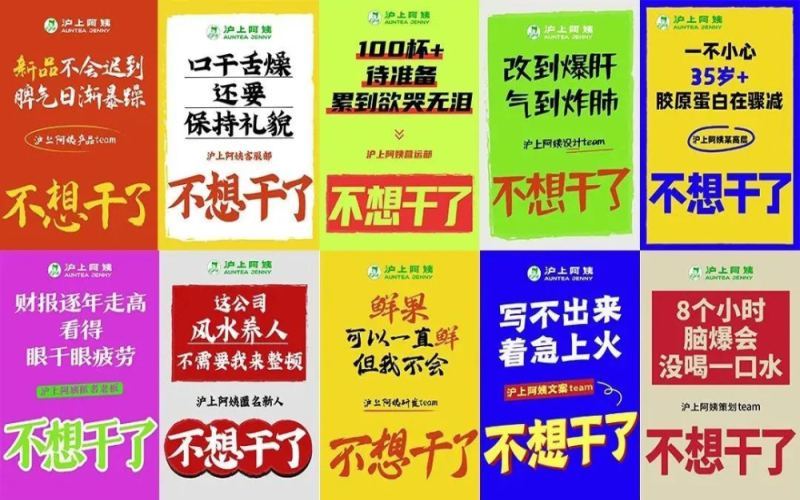
Shanghai Auntie's official Weibo posted ten consecutive "I don't want to do this anymore" posters, hiding a new fresh stewed pear series behind the suspense marketing.
Professional coffee knowledge exchange. For more coffee bean information, please follow Coffee Workshop (WeChat official account: cafe_style) For more specialty coffee beans, please add the private WeChat of Front Street Coffee (FrontStreet Coffee), WeChat ID: qjcoffeex Hushang Auntie, a fresh fruit tea brand with 5,000 stores, recently posted ten consecutive "I don't want to work anymore" themed posters on its official Weibo. From frontline employees to management, from operations to design to customer service planning, various departments expressed their "throwing in the towel" sentiments, sparking heated discussion among netizens. Was this wave of operations a collective slacking off, or was there something else behind it? On November 11, the mystery was revealed—it turned out to be hype for the new product "Freshly Stewed Pear Series." This article will take you through the whole story of this suspense marketing campaign and explore how tea beverage brands can leverage young people's popular memes to get closer to consumers. [more…]
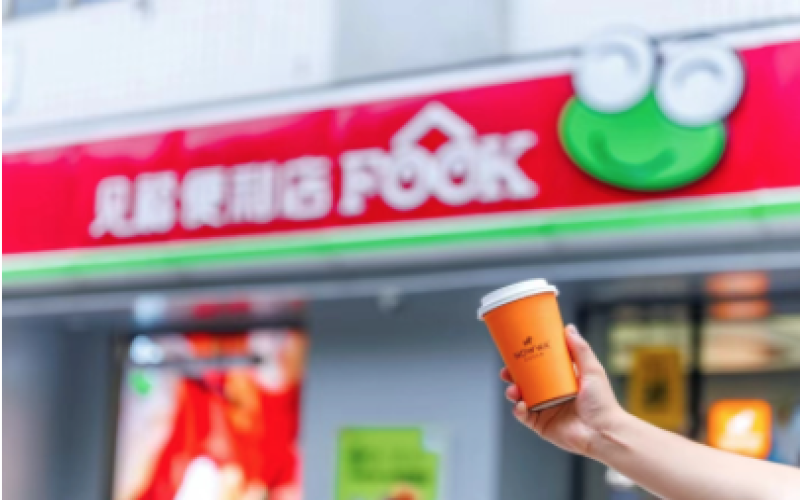
NOWWA Coffee partners with Jianfu Convenience Store to explore a joint operation model, with the first batch of 150 stores already in operation.
The integration of coffee brands with the convenience store format is accelerating. Recently, NOWWA Coffee announced a strategic partnership with Jianfu, the largest convenience store brand in Fujian, and the two parties will jointly operate stores through a co-management model, with the first batch of 150 partner stores already launched. This move not only helps NOWWA expand rapidly by leveraging the convenience store’s mature supply chain and low-cost operating advantages, but also adds a new category to the convenience store’s diversified operations. Against the backdrop of intensifying competition among brands such as Luckin and Cotti, NOWWA is exploring lower-tier markets through offline channel cooperation and plans to launch 500 co-managed stores in 2024 and 2,000 in 2025, covering the four provinces of Fujian, Jiangxi, Sichuan, and Jiangsu. [more…]
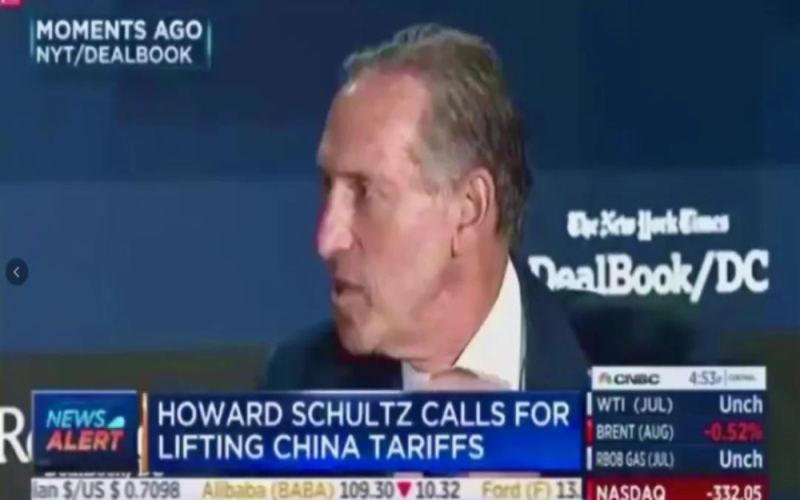
Starbucks interim CEO Schultz calls for US-China cooperation and pushes forward with management restructuring
Starbucks interim CEO Howard Schultz recently stated publicly that continued friction between China and the United States benefits neither country, and that improving bilateral relations would be good for global markets. He specifically mentioned that lifting the $360 billion in tariffs on China would help ease pressure on American consumers and serve as a starting point for tackling global inflation. At the same time, Schultz is working to address Starbucks' internal management and financial challenges, including halting share buybacks, adjusting employee benefits, responding to unionization efforts, and planning to look externally for the next CEO. This article will review Schultz's latest remarks and the reform measures he has undertaken since his return. [more…]

Luckin Coffee's new full scan-to-close rule sparks employee discontent, with cumbersome operations and frequent system failures
At the end of July, Luckin Coffee introduced a new closing procedure called "full scan" within its store system, requiring employees to scan and log every item with an expiration date label in the store one by one fifteen minutes before closing, and repeat the process again on the next morning shift. This move sparked a flood of complaints from frontline employees on social media—already tight staffing was further squeezed, unpaid overtime hours continued to lengthen, and the new system frequently suffered recognition failures and abnormal error reports during scanning, turning this digital initiative aimed at managing shelf-life control into what employees see as a burdensome "white elephant" feature that only adds extra work. This article is compiled from Coffee Workshop and takes you through the specific operational process and the real voices of employees behind this controversy. [more…]
Kenya's New Coffee Policy Shakes the Industry: Global Green Bean Giant NKG Forced to Close Plants and Withdraw
Neumann Kaffee Gruppe (NKG), the number one player in the global green coffee trade, recently announced the termination of its factory operations in Kenya, directly due to its failure to obtain an operating license from the government. This incident occurred after Kenya implemented the 2019 Coffee Regulations and the 2020 Capital Markets (Coffee Exchange) Regulations, both aimed at enhancing transparency in coffee trading, introducing digital management, and reshaping the regulatory framework. However, delays in license issuance during the implementation of these reforms have already led several companies into operational difficulties—local producer Eaagads saw its sales revenue plummet by 99% within half a year, with a net loss of 33.1 million shillings. Industry insiders worry that if the licensing issues continue to escalate, more traders will choose to exit because they cannot conduct business normally. [more…]
Ethiopia, the Source of African Coffee: An Analysis of Production Regions, Variety Characteristics, and Industry Operations
Ethiopia is widely recognized as the birthplace of coffee, and to this day a large number of wild coffee trees still grow naturally there. This article systematically sorts through the country's coffee origin legends, the flavor differences among major producing regions (Harrar, Djimmah, Sidamo, Lekempti, etc.), the diversity of cultivation methods, and the industry management and export landscape. It also introduces the local distinct drinking customs, and includes Front Street Coffee's recommendations and brewing suggestions for Ethiopian beans, making it suitable for enthusiasts who want to gain a deeper understanding of African specialty coffee. [more…]
Major Consolidation in the Coffee Machine Industry: De'Longhi Group Takes Over La Marzocco and Merges Eversys Business
A major shift is coming to the coffee machine industry. The De'Longhi Group has announced that it will merge the high-end Italian espresso machine brand La Marzocco with the Swiss fully automatic coffee machine manufacturer Eversys to form a new business group focused on the research, development, and sale of coffee machines. De'Longhi paid approximately US$374 million to acquire shares in La Marzocco, and through De'Longhi Industrial indirectly holds a 62.6% stake, becoming its largest shareholder. The two brands will retain independent operations and their existing management teams, and the new group will establish an independent board of directors reporting directly to the CEO of De'Longhi. How will this integration affect the landscape of the high-end coffee machine market? What does it mean for coffee enthusiasts and cafe operators? This article will sort through the details of the deal, the background of the brands, and the outlook for the future. [more…]